Select the series
Rank unpublished, information-dense science. Deduplicate existing digital holdings. Confirm rights, access, condition and custody. Preserve coherent series or file segments.

The country paid for this data once. Make it work a second time.
A proposed digitization campaign for the scientific and engineering record. Source-grounded selection. Adjustable assumptions. No claim of NARA endorsement.
SCAN FOR ALPHALab notebooks. Test failures. Field observations. Engineering drawings. Select the evidence that connects a scientific claim to the work that produced it.
| RECORD GROUP | TARGET MATERIAL | BOXES | Details |
|---|---|---|---|
| Research-center files, aeronautical experiments and mission engineering. | 7,000 | ||
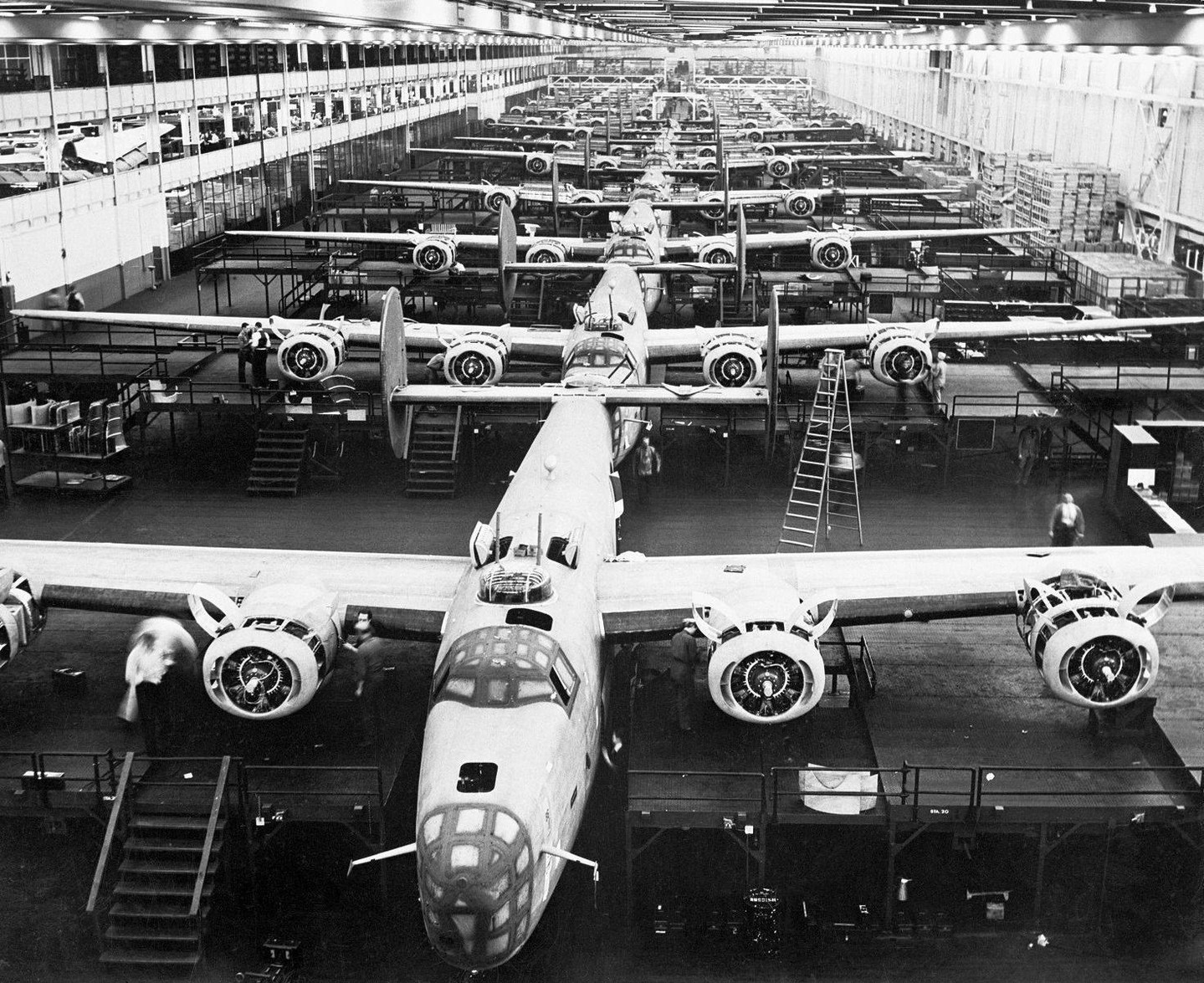
| Aircraft engineering, technical correspondence and design records. | 2,000 | ||
| Air Force technical-center and development records within the broader group. | 1,500 | ||
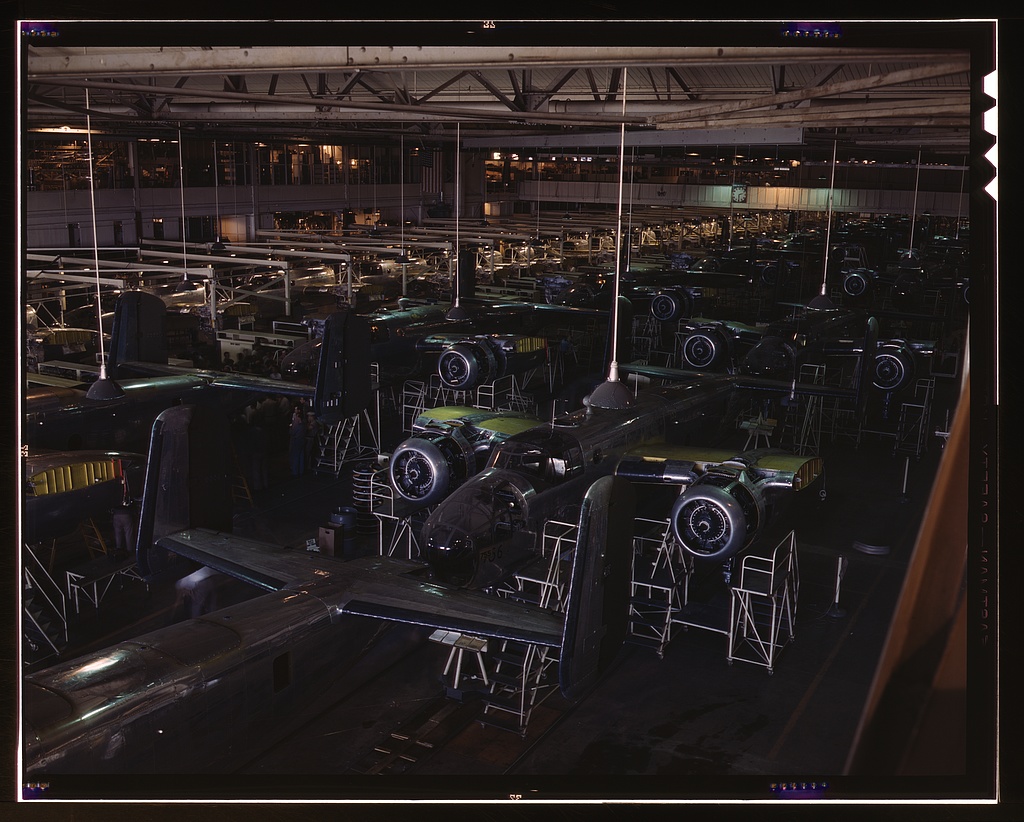
| Materiel Division and aircraft production records. | 500 | ||
| Civil aviation engineering, navigation and technical development files. | 500 |
Broader leads include patents, government technical publications, naval laboratories, transport safety, nuclear regulation and successor agencies. Index-only entries are hypotheses for further review. Existing digital collections should be acquired before allocating scarce scanning capacity.
Before the finished machine came the drawing, the test, the measurement and the correction. Recover that chain of evidence.
OBSERVATION / METHOD / RESULT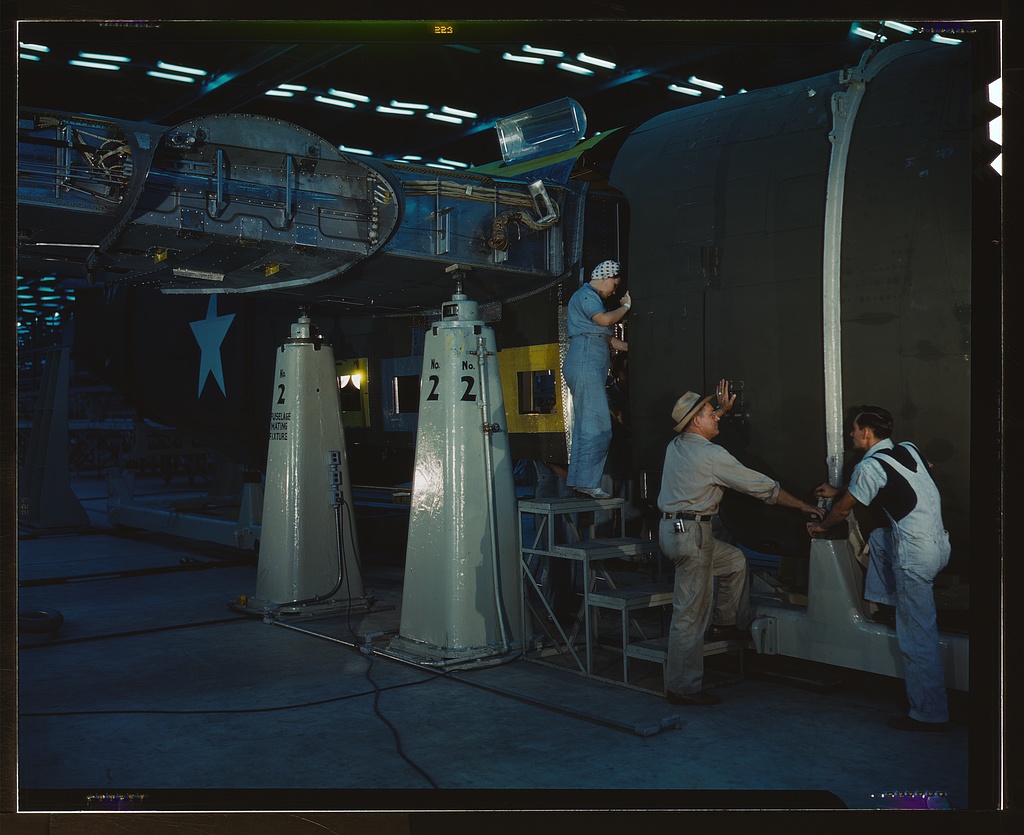
Contemporary process animation generated with Seedance 2.5 in Higgsfield. Historical visual style; schematic operations, not archival footage.
Rank unpublished, information-dense science. Deduplicate existing digital holdings. Confirm rights, access, condition and custody. Preserve coherent series or file segments.
Assign a persistent box ID. Record series, folder sequence, condition, seal and destination. NARA authorizes pulls; every handoff is signed.
Load monitored vehicles from authorized facilities. Reconcile seals on arrival. Maintain a small secure working buffer and a rolling return schedule.
Condition-check and route fragile, bound and oversized material. Preserve original order. No destructive disbinding or automatic feeding without approval.
Run three eight-hour shifts with relief staff. Use approved equipment and settings; the $1,000 baseline is an allowance, not a preservation-quality certification.
Check image completeness, focus, color and sequence. Audit OCR, equations, tables and diagrams. Rescan failures before returning originals.
Match every folder and box to the original manifest. Reconcile counts and condition with the custodian. Close exceptions before releasing the batch.
Keep preservation masters, provenance, checksums and access copies. Link text, tables and figures to page coordinates. Version datasets and evaluate scientific utility.
Off-site digitization has historical NARA precedent. This campaign still requires a new agreement covering custody, approved space, preservation, staff access and 24-hour operations. A climate-controlled warehouse alone does not establish archival suitability.
NARA off-site precedent ↗Edit the capture rate by selecting a calculated number. The initial assumption is 2,500 pages per person per 8 hours. Stations are shared across three shifts. Efficiency accounts for interruptions and rescans.
Full OSRD coverage is included. The page-equivalent model is a capacity allowance; films, photographs, microfilm and oversized records require specialist workflows. Their complete costs and six-month feasibility remain subject to inventory and pilot validation.
Press Enter or leave a field to apply its value; entries outside the allowed range are clamped to those limits. Editable values are assumptions, not vendor quotes. Select any calculated number in Edit website mode to edit its planning inputs, including fixed allowances. Staffing is calculated at 40 paid hours per week plus relief; support cost is a labor percentage. Equipment is shared across shifts.
Scale only after the pilot verifies capture quality, page density and preparation rates. Approval or facility delays consume the window; they are not assumed away.
24-hour seats × production days × loaded hourly rate × relief allowance
Support allowance as a percentage of capture labor
Fixed allowance for recruitment, training, pilot and custodial coordination
Area × (annual rent + utilities/security allowance) × term + fit-out
Shared stations + spares percentage + specialty capture allowance
Per-box handling + round-trip truck allowance; regional consolidation is extra
Per-page allowance; complex equations and drawings need pilot validation
Preservation copies × MB/page × $/TB-month × 12 months
25% of direct budget
Stations = pages ÷ (pages per shift × 3 shifts × efficiency × production days), rounded up. Staffing covers a 168-hour week at 40 hours/FTE plus relief. The budget includes production labor, support, mobilization, space, equipment, transport, extraction, first-year storage and contingency. It excludes model-training compute, permanent endowment, major building renovation and unquoted regional transport.
All 584 numbered entries in NARA’s six-part Statistical Summary were screened and cross-checked against 599 current Explorer entries. Seventy-five candidate agency guides were retrieved for closer review. These historic guides are a starting point, not a current, exhaustive box inventory.
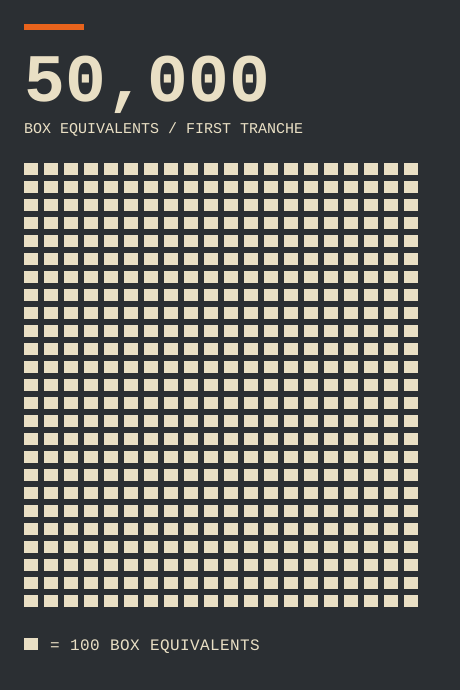
Download the historic screening register ↗Download the current 599-entry cross-check ↗The baseline models 50,000 box equivalents × 1.076 cubic feet = 53,800 cubic feet. Against an inferred 5,393,258-cubic-foot denominator, that is approximately 0.998%, just below 1%. This is a planning estimate from rounded figures, not a certified share of every NARA format.
A selection hypothesis: prioritize original observations, explicit methods, equations, technical drawings and failed experiments with useful context. No measured model improvement is claimed. Validate on held-out science and engineering tasks before scaling ingestion.
Sample across agencies and formats. Measure pages per box, preparation time, legibility, digital duplication and useful content per labor hour. Replace proposed ceilings with approved series IDs and box manifests. Reduce scope or add resources if the evidence changes.